

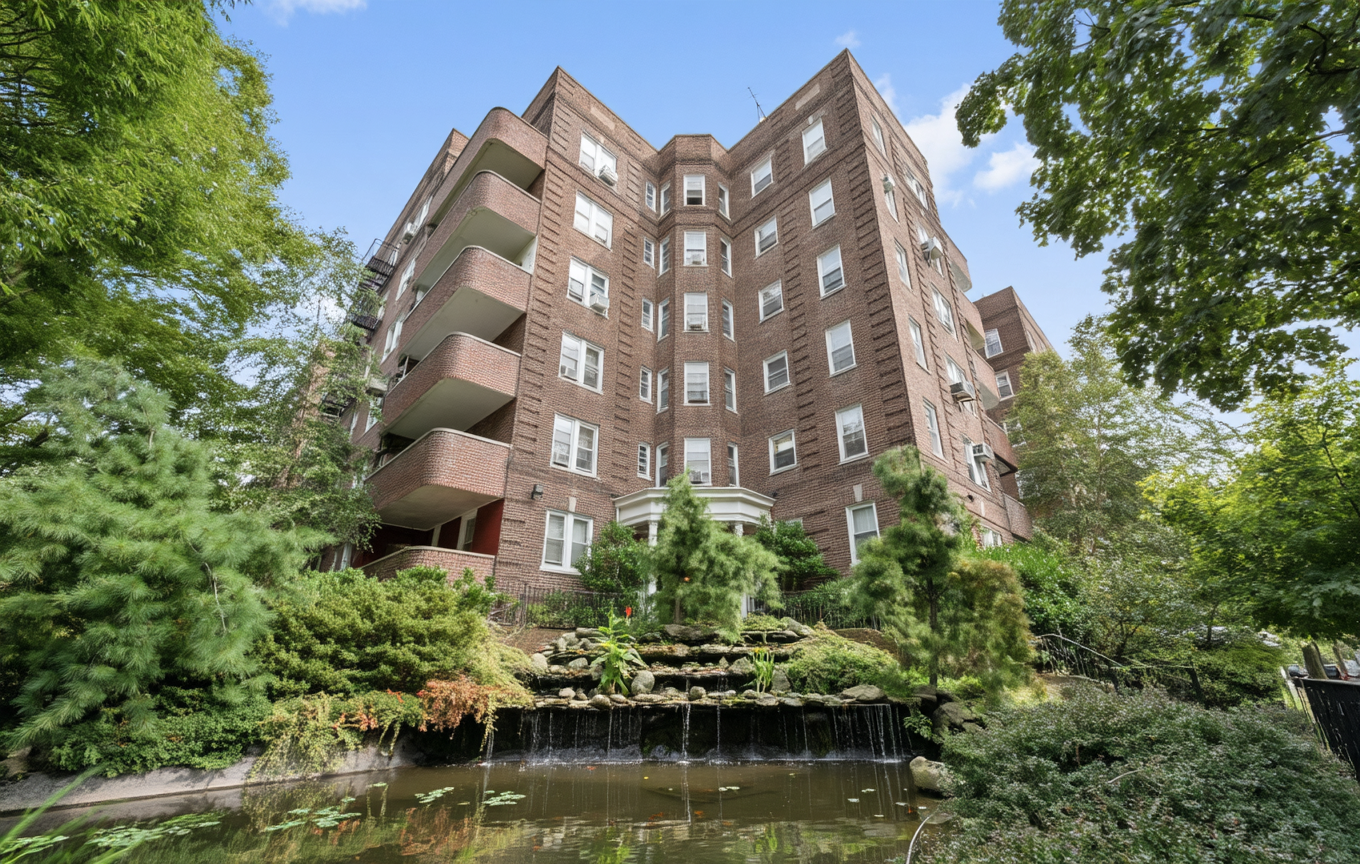
Every buyer I work with gets the same message early: getting an accepted offer feels like crossing the finish line, but it's really the starting gun for the longest stretch of the process. I recently walked a pair of buyers through a Brooklyn co-op purchase, and I wanted to share what that stretch actually looked like, both to educate future buyers and to show what attentive buyer representation involves.
Getting to "accepted" is its own journey
Before anyone can talk about a board package, there's a lot that has to go right. You find a place that checks enough boxes to be worth a visit. You walk in and genuinely like it. In this case the apartment was a bit older, with the same owners for a couple of decades, so there was work to be done. My buyers were fine with that.
Then came competition. There were multiple offers, we went to best and final, and we won. A big part of that was showing the sellers that my buyers could comfortably carry the apartment, and then some. After negotiation and evaluation, we had an accepted offer.
Even then, there's more due diligence. This is your chance to dig into the building's financials and board minutes, understand whether there are assessments, and weigh the lender and legal considerations. Once that's done and the contract is signed, the real work begins: the co-op application.
Pacing the process (on purpose)
This stage is emotional, and I don't believe in piling everything onto buyers the moment an offer is accepted. When the listing agent sends over the application and due diligence documents, I take them in quietly and start organizing. Meanwhile the inspection happens, the attorneys do their review and read the board minutes, and the buyers finish their mortgage application with the lender.
Behind the scenes, I'm already setting up a Google Drive or Dropbox folder structured around exactly what this building requires. Once the dust settles after contract, we can focus fully on gathering the package.
What's actually in a co-op board package
If you're even thinking about co-ops, here's what I tell people in our very first conversation: be prepared to share tax returns, W-2s, pay stubs, and financial statements for every account. Be ready to collect professional and personal reference letters, plus documentation from your employer and your landlord.
This particular package required:
- The completed application and all authorization forms
- Bank statements for every checking, savings, investment, and retirement account
- Two years of tax returns
- The mortgage loan application, plus the lender's commitment letter and recognition agreements
- A financial statement with a net worth and asset/liability sheet
- Supporting documents for everything on that sheet
Thankfully this board wanted just one binder. I've had buildings that want five copies of the same information. Some boards accept digital uploads; others still require physical packets, with Social Security and account numbers redacted.
There are fees too. This application had five separate ones, and across buildings they can add up to as much as $2,000. These are legitimate costs: the management company is a business, and the building needs to fund its reserves. But it's also why you want a complete, exactly-as-requested package before an application goes in. Some of those fees don't come back.
Telling the story with the numbers
This is the part I love. A package shouldn't be printed and slapped into a binder. It should be divided into sections and tell a story: here's who these people are, here's their financial picture, and here's the proof. Someone reading it should be able to say, "This person would be a great addition to our building."
For this couple, the assets alone took real work:
- Investment accounts with cash bank sweeps, which meant carefully showing the cash balance and the investment balance separately
- Another property they owned, which called for a current value estimate, evidence of the original loan, the current mortgage balance, and proof of ownership through maintenance statements
- Rental income from that property, which had to be documented so the income was clearly connected to the financials
The supporting documents are the bulk of the pages, often 100 pages or more per applicant. And every number has to reconcile. If someone says they have money in an account, I want to be able to draw the line from the statement to the form to the net worth sheet. Fields shouldn't be left blank, though "N/A" is sometimes the right answer.
The things buyers don't see
A lot of what I do is invisible, and I think buyers tend to assume it just happens:
- Reconciling and checking the math across every statement and form
- Timing the documents. Pay stubs and bank statements should be among the last things uploaded. If you send them on day one and the package takes a month to finish, they're stale and have to be redone.
- Writing cover letters and guiding buyers through theirs
- Printing, dividers, binders, and shipping. Yes, I'm at Staples making dividers specific to these applicants.
- Coordinating with the buyers, the seller's agent, the managing agent, the attorneys, and the lender
- Catching mistakes early. On this deal, a buyer uploaded tax documents without redacting numbers, even though the application explicitly required it. Anything like that gets returned as incomplete and delays the process.
I also lean on the listing agent to review the package before submission. After weeks of staring at it, I get googly-eyed, and a fresh set of eyes spots inconsistencies and suggests better ways to illustrate something. Keeping the seller's agent updated matters too. In this case the sellers needed to sell in order to move elsewhere, so momentum was important, and an informed seller can nudge the board and managing agent from their side as current shareholders.
The result of all this care: knock on wood, I've never had an application rejected.
Three things every co-op buyer should prepare
- Your financial documents. If you're financing, the same documents from your loan application will be needed for the board package. Keep them handy.
- Your references. Think now about who you'll ask, professionally and personally.
- Clean, clear bank statements. Two to three months of statements will be reviewed, so keep your finances tidy and easy to follow.
Then comes the interview
After the package is submitted and reviewed, the board sets a time to meet. Interviews are a mix of Zoom and in-person these days. In my experience, they're mostly a formality. The building does much of the talking, going over house rules and making sure you know what you're joining. You're welcome to ask questions, but remember you're joining a community, and its members aren't looking for someone to rock the boat.
If renovations come up, be thoughtful. Showing up on day one with a major construction plan is not the move. Some light painting at first, get comfortable, and see how things go. Cooperative living is, after all, right there in the name.
If you think the hard part is over
Once your offer is accepted, you can see the iceberg, but you haven't even hit the tip of it. It's a marathon. But it's also approachable. Co-ops are among the most affordable ways to own in the city, and people complete this process all the time. It is not impossible.
I love this part of the job. I love the puzzle of putting it together, and I can feel the relief when buyers get that acceptance and again when we submit. The details matter, communication among all parties matters, and so does a willingness to do whatever it takes to keep the transaction moving toward closing.
A little more on co-op ownership and due diligence
Buying a co-op comes with its own set of considerations, and it's worth understanding how the building operates before you commit. The New York Attorney General's guide to buying a co-op or condo offers helpful guidance on reviewing building financials, board minutes and property conditions. For a better understanding of what it means to own a co-op, the Attorney General also provides a Cooperatives overview.
If you're thinking about buying a co-op in New York City and want a partner who sweats the details so you don't have to, let's talk.
Check out this article next
Leave a Reply