
My Home, My Neighborhood, and Life on the Canal
Sometimes the story of a neighborhood is best told through a single home. This is mine.
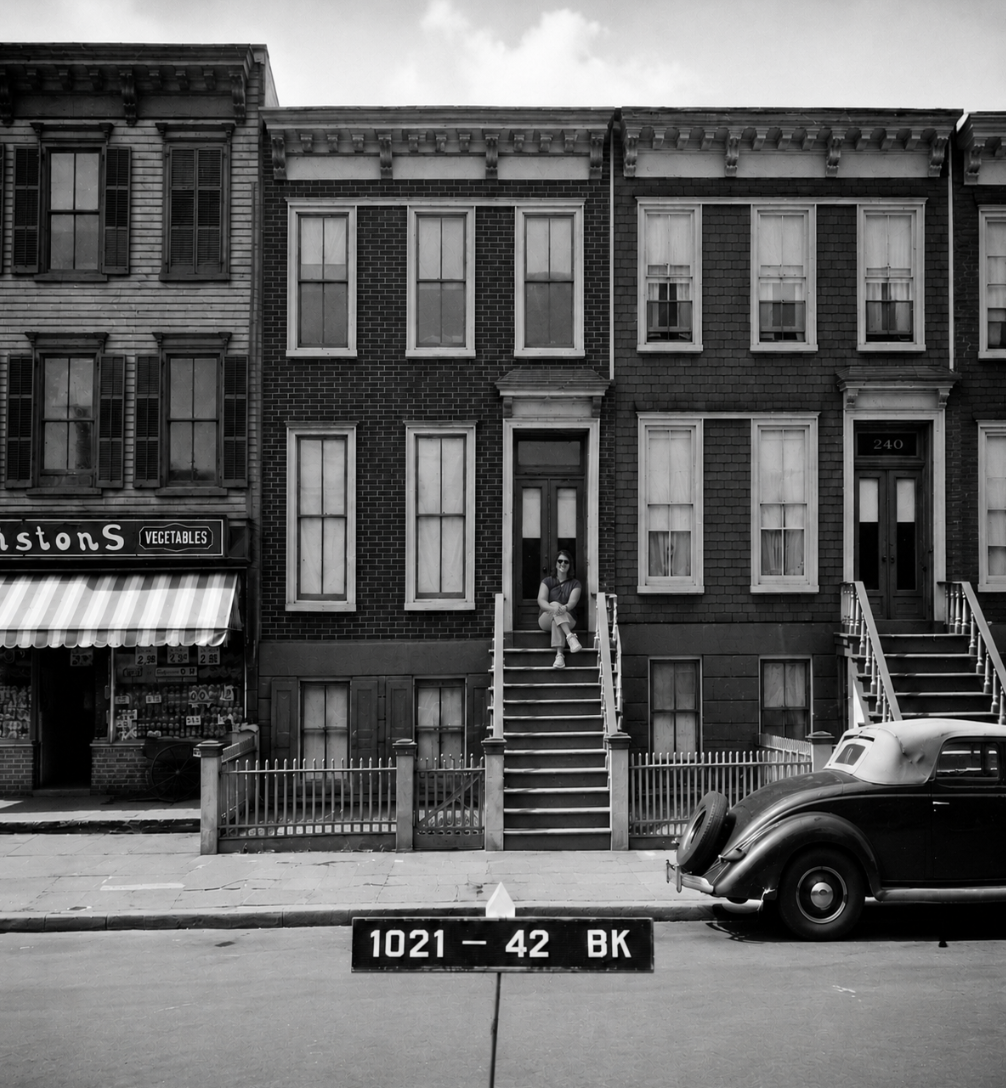
This photo was taken of my house in 1940, pulled from the NYC Department of Taxation archives. The person sitting on the steps today is me — present day, on the same stoop, eighty-some years later. I've lived in this house, in this neighborhood, for 26 years now. The neighborhood is the Gowanus, named for the canal that runs through it — a waterway with a history of great achievement, deep decline, and now, a genuine rebirth.
Before it was a neighborhood, Gowanus was water — a tidal inlet of creeks winding through salt marshland, so rich in oysters they became Brooklyn's first export to Europe back in the 1600s. Dutch settlers named the waterway after Chief Gouwane, a local Canarsee leader who lived along its shores. Then in 1849, as Brooklyn's population exploded on its way to becoming the third-largest city in America, New York State authorized the Gowanus Canal. That canal gave the growing city easy access to building materials, including the brownstone that built the very rowhouses — homes like mine — that define this neighborhood today.
Of course, that same industrial intensity came at a cost. Decades of unchecked industrialization eventually earned the canal a Superfund designation in 2010. But that decline wasn't the end of the story — it was the turn.
Today, the canal is being dredged clean, and new underground tanks are being built to catch stormwater before it ever reaches the water again.
New York City is in the middle of a housing crunch — the lowest vacancy rate in six decades — and Gowanus is stepping up. A 2021 rezoning is bringing more than 8,500 new residential units to the neighborhood, including over 3,000 designated affordable. New waterfront parks and esplanades are being built directly into these developments, opening up public access to the canal that simply didn't exist a decade ago.
Gowanus today is teeming with new life, a creative center for artists, makers, builders, and entrepreneurs all putting down roots along the same water that started it all. It's the same story my own front steps tell: 1940 and today, side by side, the old bones still standing while something new grows around them.
If you're curious what it's like to actually live in this neighborhood, get in touch — I'd love to show you around.
Check out this article next